
Before day one
Highlander Tips & Tricks
The stretch between your deposit and your first class is when most of the real decisions happen — your schedule, your major, a meal plan, what to pack, which accounts to set up. Here's what SHPE NJIT members wish they'd sorted out early. Once you're on campus, Welcome to NJIT picks up the rest.
The chapter
Start with SHPE NJIT
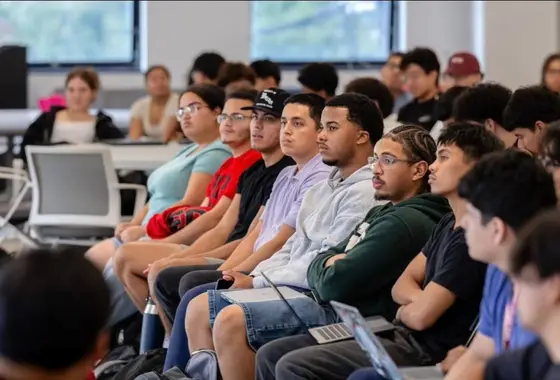
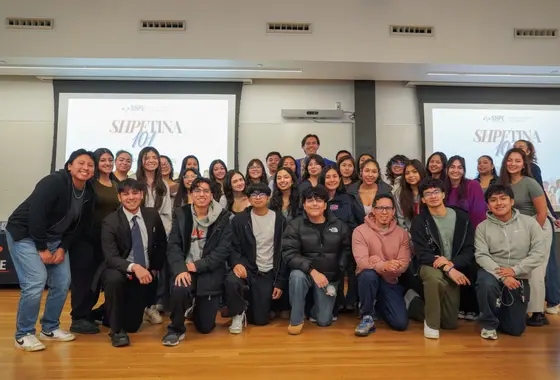
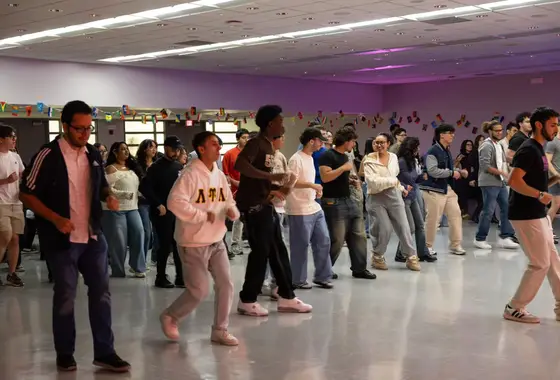
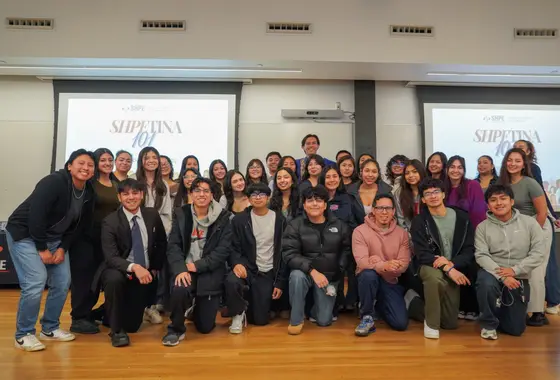
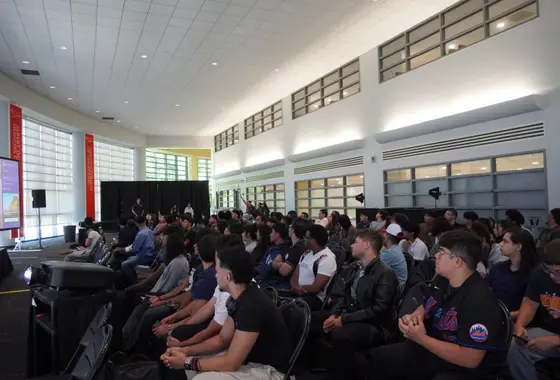
SHPE NJIT is the campus chapter of the Society of Hispanic Professional Engineers. You don't have to be Hispanic or an engineer to join, and there's no application to be a member — showing up is step one.
Get connected now










Classes
Build your first schedule
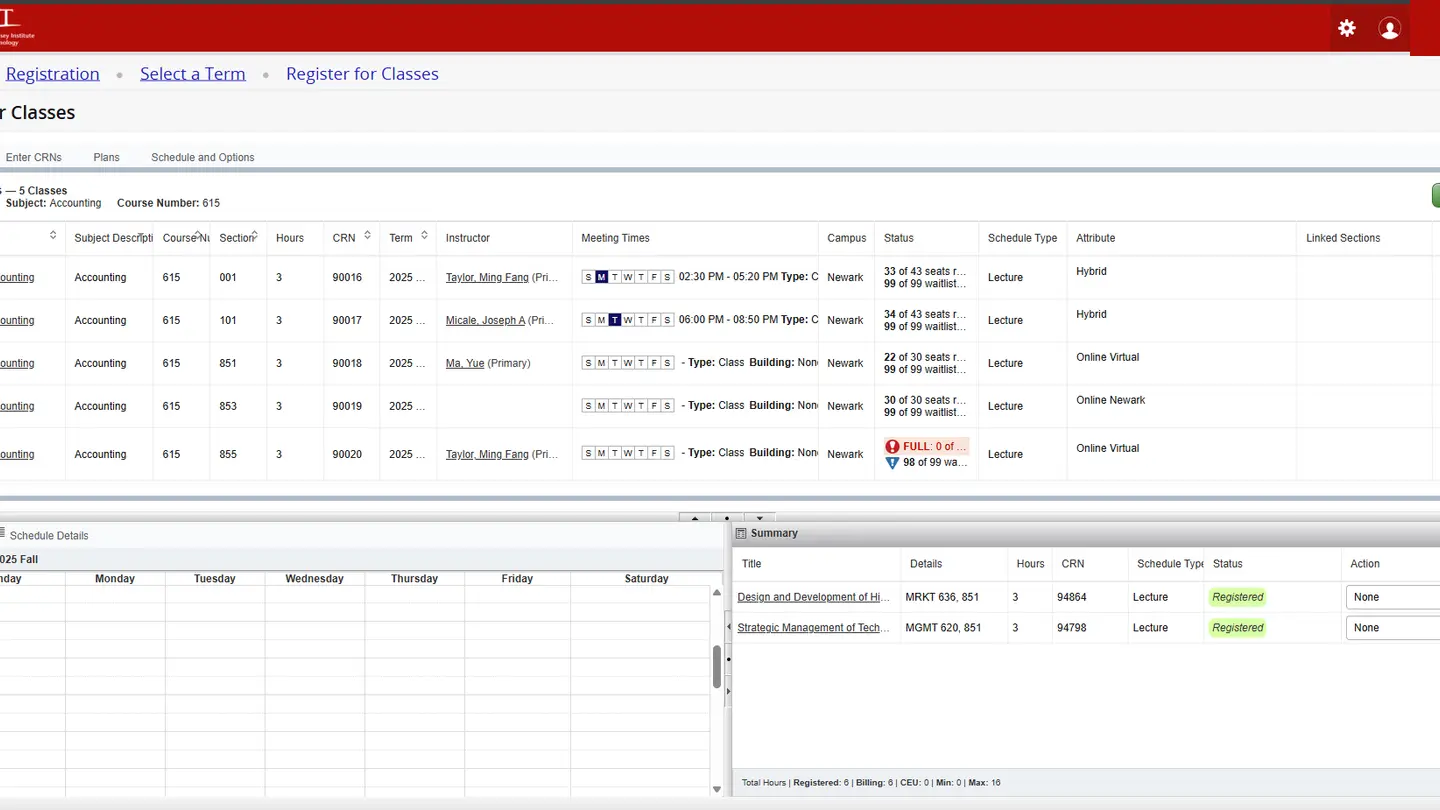
A lot of information lands on you over the summer — classes, credits, holds, placement. Everyone around you feels it too. You'll build your first schedule with an academic advisor, and it isn't locked in.
What members would tell their first-year selves
- Keep the first-semester load manageable. The standard first-year engineering plan runs about 15–16 credits; if that feels heavy with everything else changing, talk to your advisor about a lighter split.
- Sit in on your classes the first week. If something isn't working, you can still switch during the add/drop window.
- Don't try to map out all four years now. Your interests will shift as you take more classes and figure out what you actually enjoy.
- Track your own degree requirements instead of relying only on an advisor — check them against Degree Works each semester.
Look these up
Direction
Choosing (or not knowing) your major
Not being sure what you want to study is normal. NJIT's first year is built so that exploring costs you very little.
The first year of most engineering majors at NJIT is nearly identical — Calculus, Physics, Chemistry, and FED 101 (Fundamentals of Engineering Design). Because that core is shared, switching between engineering disciplines early usually costs you little or no time.
If you're undecided
- Take the common first-year courses that count toward several majors, then commit once you know more.
- FED 101 rotates through hands-on modules from different Newark College of Engineering departments — treat it as a guided tour of the disciplines.
- Computing students take CS 100 (Roadmap to Computing, taught in Python). Every Ying Wu College of Computing major has to show proficiency in it.
- Ask people in the majors you're weighing what their week actually looks like — the E-Board is a good place to start (see “Who to ask” below).
Explore
Credit
AP, IB, and transfer credit
Credit you earned in high school can move you past intro courses — but check exactly what transferred before you skip anything.
NJIT grants credit for AP scores of 4 or 5 (a few 3s), for IB higher-level exams, and for approved college coursework. Send your AP scores through the College Board using NJIT's school code, 2513.
- Review your Transfer Credit Evaluation in Highlander Pipeline to see exactly which courses you got credit for.
- A placement or exemption exam can also clear you out of a required course — check with the Placement office before the semester.
- Talk to your advisor before skipping a foundational course like Calculus I. Sometimes taking it at NJIT is the stronger move even if you have the credit.
Dining
Dining and meal plans
NJIT dining runs on a meal plan plus a declining-balance account (Tech Bucks for residents, Dining Dollars for commuters). What you need depends on where you live.
How it works
- First-year and sophomore residents are required to carry a meal plan (Plans A–E): unlimited dining at the main hall plus a set amount of Tech Bucks.
- Juniors, seniors, and grad students living on campus pick from smaller plans (F–H) or opt out.
- Commuters can load Dining Dollars onto their Connection Card or take the five-meals-a-week Commuter J plan — both are optional.
- Tech Bucks and Dining Dollars also work at the retail spots: Highlander Hub, the pizza and sushi counters, Tech Café, the C-Store, and Taco Bell.
Rates and what each plan includes change every year, and you can adjust your plan in the first weeks of the semester — so check the current page before you commit.
Move-in
What to bring to the residence halls
A packing list for on-campus housing — bring what you'll actually use, and leave the banned items at home so they don’t get confiscated at check-in.
Bring
- Twin XL sheets and a mattress topper (Full XL for Maple Hall singles), blankets, pillows
- A power strip with a surge protector, plus an Ethernet cable for a wired connection
- A desk lamp with an LED or CFL bulb (no halogen)
- Shower shoes, a caddy, towels, and a 78" × 72" shower curtain if your bathroom needs one
- Hangers and over-the-door hooks (Command strips are fine except in Maple Hall)
- A small fridge under 4.5 cubic feet and/or a microwave under 1000 watts
- Laundry detergent, a hamper, an iron with auto shut-off
- A fan, a reusable water bottle, basic first-aid supplies, and any medications
Leave at home
- Extension cords and multi-outlet adapters — surge-protected power strips only, and never plug one into another
- Halogen lamps, candles, incense, and anything with an open flame
- A second microwave for Maple Hall apartments (one is already provided)
NJIT emails your move-in date and time slot over the summer, so watch your NJIT inbox. Carts are available to borrow during your slot. Try not to move in the day before classes start — give yourself a day to settle in and walk to your classrooms.
Living on campus
Dorm life
The people on your floor become your first NJIT community. A little effort in the first weeks pays off all semester.
From members who lived on campus
- Set expectations with your roommate in the first week — sleep, guests, cleaning, quiet hours. Agreeing on how you’ll handle problems matters more than any single rule.
- Keep the shared space clean. It’s small, and you both have to live in it.
- Start your mornings a little early — bathrooms and laundry rooms fill up midday and on Sundays.
- Go to your hall’s floor events, follow its Instagram, and get to know your RA — you’ll want a floor neighbor when you get locked out.
- Get off your floor too. Find a couple of spots — a library floor, a café — where you can reset and study.
Also in Welcome to NJIT
Accounts & apps
Set up before week one
Claim these accounts and install these apps before classes start so you're not scrambling on the first day.
Claim these first
- Your UCID — the single login behind Canvas, NJIT email, and Highlander Pipeline. Claim it and set a password.
- Duo two-factor authentication — required. Install Duo Mobile on your phone when you claim your UCID; you’ll approve every login with it.
Apps and sites you'll use constantly
- Canvas — course materials, assignments, and grades
- Highlander Pipeline (my.njit.edu) — registration, your bill, financial aid, and your transcript
- NJIT email — the university only contacts you here; check it daily
- Highlander Hub — every club, every campus event, and event check-ins
- Webex and Zoom — remote classes and office hours
- Handshake — campus jobs, internships, and career-fair registration
- GroupMe and Discord — class group chats and club servers, including SHPE NJIT's
People
Who to ask
You don't have to figure this out alone. Reaching out to an older student is exactly what the chapter is here for.

The SHPE NJIT Executive Board is a mix of majors and years, and every one of them was an incoming student not long ago. Message anyone below about their major, their classes, clubs, or anything in this guide.
The E-Board, by major
LinkedIn and NJIT email for each. Don't see your major? Reach out to anyone — they'll point you to the right person.
What's next
The first two weeks
As the summer winds down, the first week of classes is when everything opens up. Show up to more than you think you should.
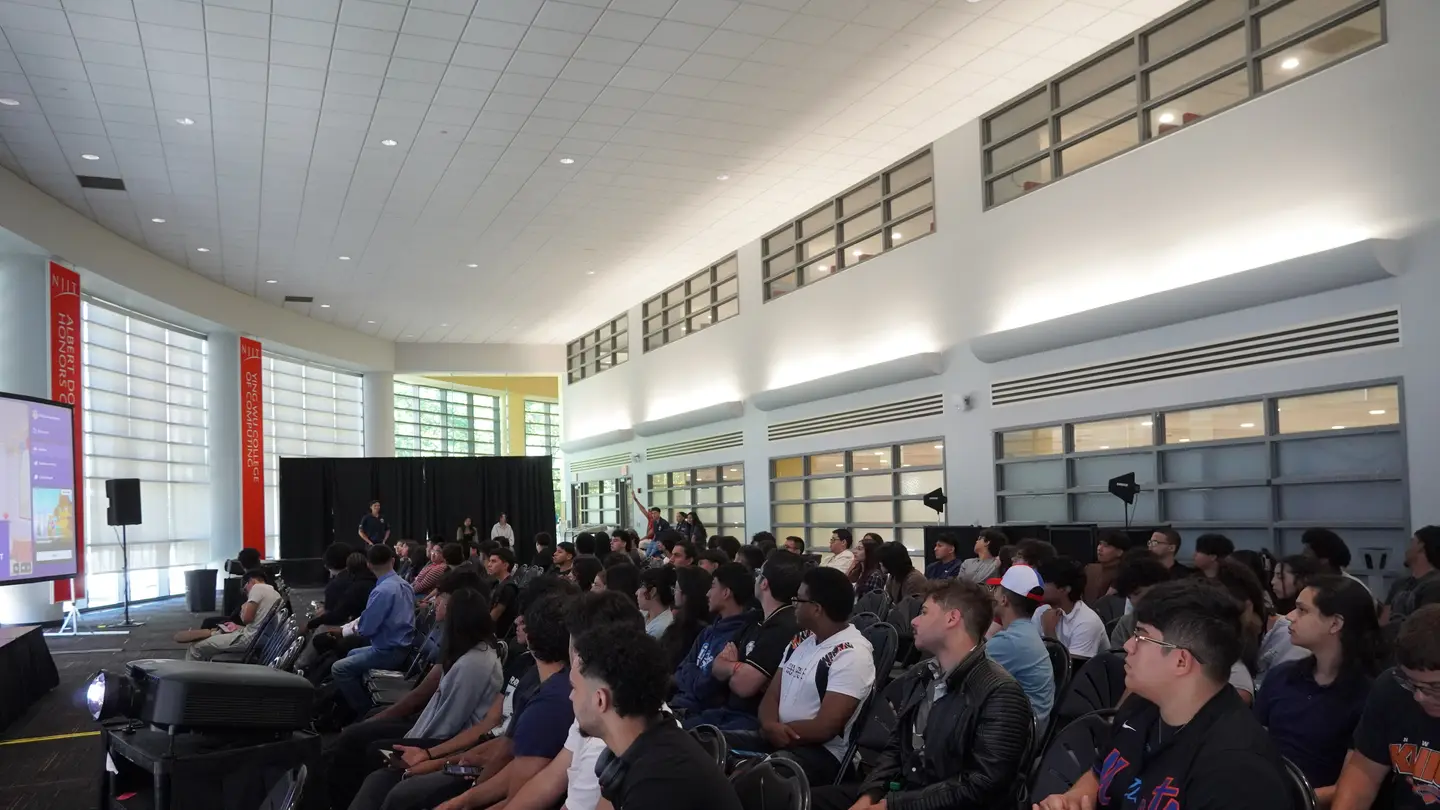
- Clubs table all over campus and at the Student Involvement Fair during Welcome Weeks — SHPE NJIT will be there.
- Come to the first General Body Meeting and the new-member events. No application needed; just walk in.
- Walk your class schedule before the first day so you know where every room is.
Something out of date? Let the E-Board know.