
New Highlander guide
Welcome to NJIT
Starting at NJIT is exciting and a lot at once. This is the stuff SHPE NJIT members wish someone had told them on day one — how to get around Newark, where to study, how registration actually works, and how to plug into the chapter. Skim it now; come back when you need it.
The chapter
Start with SHPE NJIT
The Society of Hispanic Professional Engineers is a national network with 300+ college chapters. SHPE NJIT is one of them — and you do not have to be Hispanic or an engineer to join.
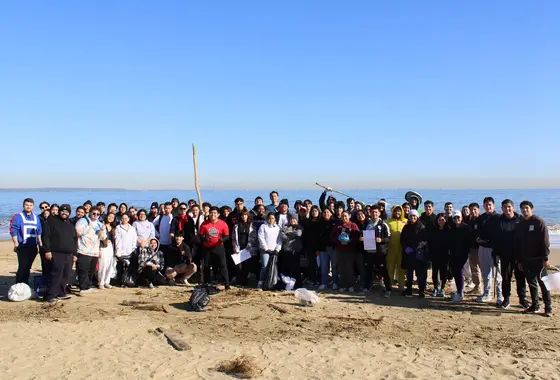
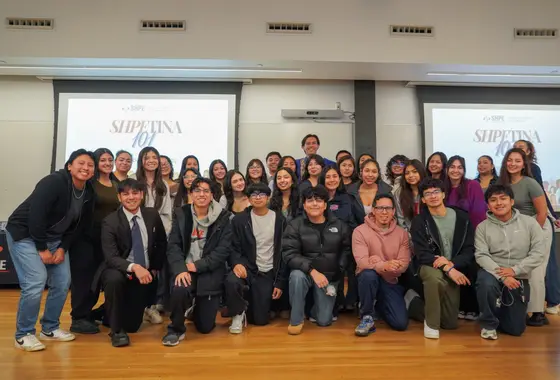
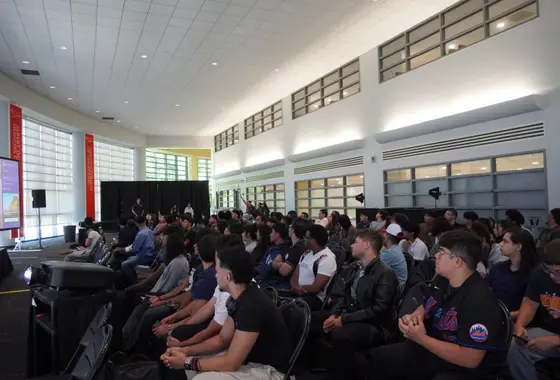
SHPE's mission is to change lives by empowering the Hispanic community to realize its fullest potential and to impact the world through STEM awareness, access, support, and development. At NJIT that looks like regular general body meetings (GBMs), technical and professional workshops, company info sessions, community outreach, and a familia that makes a big commuter school feel a lot smaller.
You do not apply to be a member. Register for the chapter on Highlander Hub, come to events, and you are in. Applications only come up later, for committee and leadership roles.
Get connected


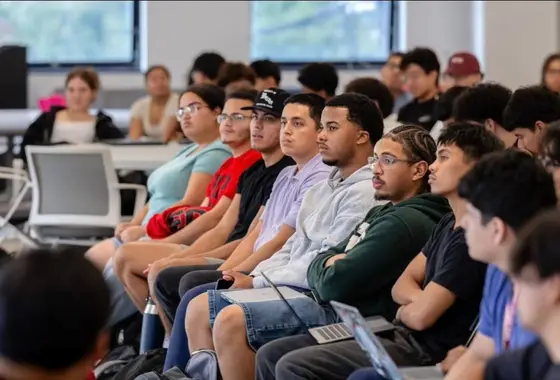
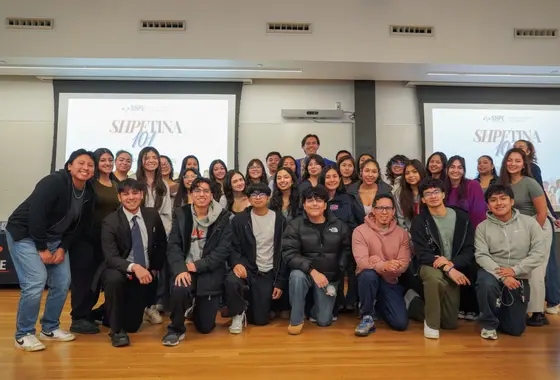
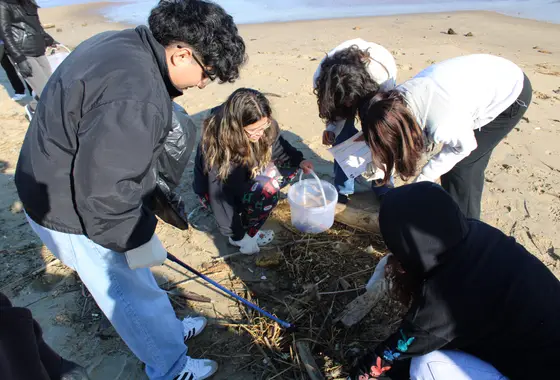
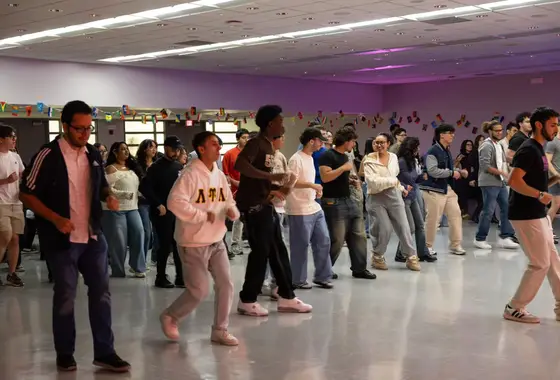







First-year opportunities
Your first year in SHPE
You can get value out of SHPE from week one. A few places to start:

Programs & events
Later in the semester the chapter opens committee and director applications. Committees — marketing, public relations, community outreach, and more — are the low-pressure way to add a résumé line doing something you actually care about.
Orgs & involvement
Clubs and getting involved
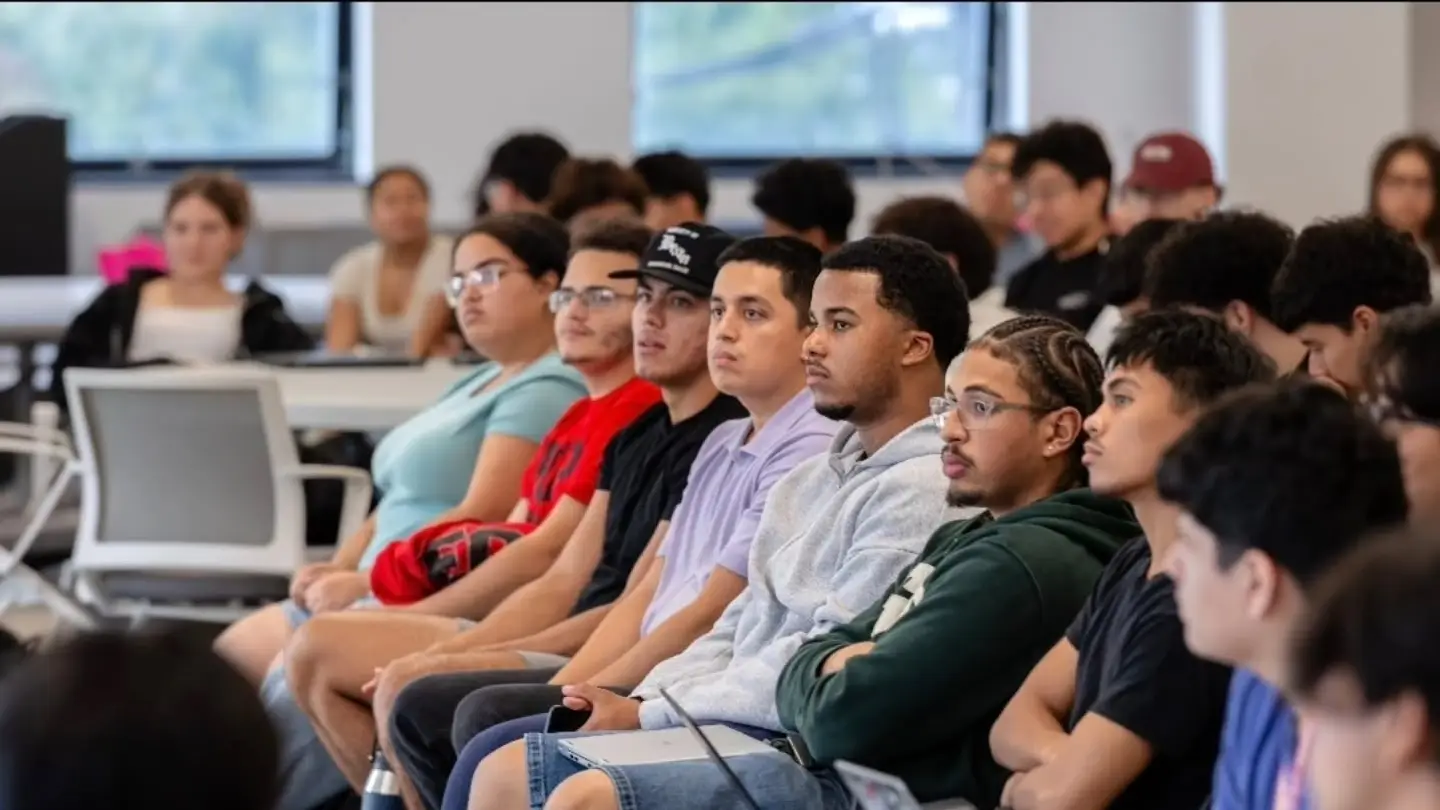
In college nobody makes you join anything — which means the good stuff only happens if you go looking. Getting involved early is how you find your people and your résumé lines at the same time.
How membership works
- Most cultural and professional orgs (SHPE included) have no application — you just show up. Leadership roles, programs, and scholarships may still require one.
- Design teams and competition teams (Highlander Racing, the rocketry and concrete teams, robotics, and others) usually run info sessions and a short application. Note their deadlines.
- You do not need to commit to five clubs. Pick one or two, go consistently, and let it grow from there.
Campus basics
The things nobody tells you
Campus Center
Support you should know exists now, not later
Getting around
Newark, and getting out of it
NJIT sits in University Heights, a few blocks from downtown Newark and one train stop from Newark Penn Station. You can get almost anywhere in the region without a car.
Day to day
Getting to NYC and the airport
- Newark Penn Station is ~10 minutes from campus by light rail or the 1 Line bus. From there: PATH to the World Trade Center or 33rd St, NJ Transit to New York Penn Station, or Amtrak.
- Newark Liberty International Airport is one NJ Transit or Amtrak stop away, then the AirTrain.
Where to study
Where to actually get work done
Other spots members use
- Campus Center — tables, outlets, and food a floor away.
- Central King Building (CKB) atrium and upper floors between classes.
- GITC (the computing building) labs and lounges.
- The Wellness and Events Center (WEC) upper concourse when the library is packed during finals.
- Ask a SHPE member where the chapter tends to gather to lock in — it moves by semester.
Newark 101
Things to do and places to eat
Newark is a real city with a food scene, parks, and one of the best arts centers in the country. A starter list within walking distance or a short ride:

Eat (walkable from campus)
- Halsey St — Burger Walla, Qdoba, The Halal Guys, The Green Chicpea, and a rotating set of spots in the downtown arts district.
- New St — La Cocina (Latin American), McGovern’s Tavern, Robert’s Pizzeria.
- Central Ave — Nizi Sushi, Kilkenny Alehouse, Giovanni Pizza, Intrinsic Cafe for coffee and bubble tea.
- Whole Foods in the restored Hahne & Co. building on Broad St for groceries.
The Ironbound
- Newark's Portuguese, Brazilian, and Spanish neighborhood — 170+ restaurants and bakeries centered on Ferry St, about a 15-minute light-rail ride or rideshare.
- Go with a group for rodízio (all-you-can-eat grilled meats), pastéis de nata, and late-night bakeries.
Get out and do something
- Branch Brook Park — the country’s first county park; its cherry blossom bloom in April is bigger than DC’s.
- New Jersey Performing Arts Center (NJPAC) — concerts, comedy, and dance; student rush tickets on many shows.
- Prudential Center ("The Rock") — NJ Devils hockey and major concerts, a 10-minute walk from Penn Station.
- Newark Museum of Art — the state’s largest museum; free or discounted with a student ID.
- NYC is 12 miles away — under 30 minutes door to door from Newark Penn.
Academics & classes
Doing well in your classes
Your high-school study habits probably will not carry you here, and that is normal. The students who do well are not smarter — they use the help that already exists.
What actually works
- Go to office hours. Professors and TAs want the visits, and early in the semester you will often have them to yourself.
- Start assignments the day they are posted, not the night before. NJIT problem sets take longer than they look.
- Pick one system for deadlines — Canvas calendar, Google Calendar, a planner, Notion — and put everything in it.
- Find a study group in each hard class. Explaining a problem out loud is how you learn it.
- Protect your sleep and keep some of the weekend. Burning out in October helps no one.
Free tutoring & academic help
Before you buy a textbook, check whether the course uses a free or library copy, an online access code through the publisher, or an older edition that is much cheaper used. The NJIT Bookstore, Amazon, and rentals all work; the library does not stock required textbooks but sometimes has a reserve copy.
Registration
Registering for your next semester
Orientation registers your first semester for you. After that it is on you, through Highlander Pipeline. It moves fast, so know the system before your window opens.
How it works
- You register yourself at my.njit.edu (Highlander Pipeline → Registration Portal). Fall registration opens in the spring; spring registration opens in late October.
- Your registration date and time — your "time ticket" — is set by earned credits, so students with more credits (including AP and transfer credit) go first. Undergraduates can start at 9:30 PM on their assigned day.
- Clear every hold before your window opens — advising, bursar, health. A hold blocks registration entirely.
- Have a ranked list and two or three backup sections ready before your time. Popular classes and good professors fill within minutes.
- If a prerequisite or corequisite blocks you from a class you are ready for, your department can submit an override.
Tools
Your assigned advisor is good for holds, overrides, and untangling a schedule conflict. For which professor to take and which semester to take a class, ask older students in your major — SHPE is full of them.
Professional development
Getting recruiting-ready
Professional development is learning how recruiting works — résumés, pitches, interviews, networking, LinkedIn — mostly by doing it. Starting as a first-year is the whole advantage: it also helps for scholarships, research, and any application.
Do these in your first year
- Build a one-page résumé and get it reviewed — by Career Development Services, at a SHPE workshop, or by an upperclassman.
- Write and practice a 30-second intro until it is boring to you.
- Make a LinkedIn, put your NJIT email and major on it, and connect with people you meet at events.
- Get one professional headshot — SHPE and CDS both run free headshot days.
Internships & co-ops
Internships and co-ops
An internship is summer work at a company; a co-op is a longer term, usually a full semester, sometimes for credit. Both teach you what class cannot and make the next one much easier to land.
Where they come from
Also worth doing
- Apply online directly on company sites — it gets you in their system before a fair.
- Message current employees in your major on LinkedIn when a company is not coming to campus.
- Join a design or research team — "experience" does not have to mean a paid job.
Research
Undergraduate research
Research sharpens how you think, opens doors to graduate school, and — the part people miss — you can start as a first-year. You do not need to know everything first; you need a professor working on something that interests you.
How to start
- Skim your department’s faculty pages for research areas that sound interesting. Pick a few.
- Email those professors: who you are, what caught your attention, and that you would like to help in the lab. A short, specific email works.
- Take an intro seminar or a one-credit research course if your department offers one.
What's next
What to do this week

- Follow @njitshpe and join the Discord so you see event announcements.
- Register for SHPE NJIT on Highlander Hub.
- Make a profile on shpe.org and register with SHPE National.
- Put the first GBM and New Member events on your calendar.
- Save NJIT Public Safety (973-596-3120) in your phone.
Something out of date? Let the E-Board know.