
Member Resource
NVIDIA Starterpack
NVIDIA recruits heavily through SHPE, and its early-career pipeline is deep but specific. This is the map: the programs you can apply to by year in school, the hiring areas that fit your major, how the timeline and interviews actually work, what NVIDIA recruiters say about resumes, and where to build the skills first.
Register now
NVIDIA sessions this fall
NVIDIA runs recruiting sessions with its Hispanic-Latino Network every fall — info sessions, a tech talk, and Convention prep. Register for this year’s run:
- ACÉRCATE — Info Session + PanelThu Sep 3, 2026 · 4–5 pm PSTRegister
- IMAGÍNATE — Tech TalkTue Sep 15, 2026 · 4–5 pm PSTRegister
- Discover NVIDIA IgniteThu Oct 1, 2026 · 3–4 pm PSTRegister
- LÁNZATE — NVIDIA at SHPE ConventionWed Oct 21, 2026 · 4–5 pm PSTRegister
By year in school
Early-talent programs
Which program you apply to depends on your year. Freshmen and sophomores start with Ignite; juniors and up apply for internships. New Grad, MBA, and PhD roles come later.

NVIDIA Ignite
12-week summer pre-internshipCurrent freshmen & sophomores (BS)
A pre-internship built to bring first- and second-year students in early: real projects with technical mentors, plus structured exposure to NVIDIA’s products, tools, and teams. Historically focused on students from communities underrepresented in tech. The entry point is an Ignite info session.
For you: The move if you are a freshman or sophomore — you do not need a prior internship, just evidence of curiosity: coursework, a club project, research, or something you built.
Internship
12+ weeks, offered year-roundBS, MS, PhD, or MBA — juniors and up for BS
Interns are employees: you own real work on a specific team. For undergrads the openings cluster in software and systems (e.g. Software Engineering Intern, Test Development; Performance Engineer Intern, Systems Software; AI Developer Technology Engineer Intern). Many headline AI-research roles ask for an MS or PhD.
For you: The main path for juniors and seniors. Target one team whose posting matches your coursework and projects.
Later-stage programs — New Grad, MBA, PhD
New College Graduate (NCG)
Full-time, permanentGraduating seniors / recent BS, MS, PhD grads
Entry-level full-time roles across every hiring area on this page. Benefits include the employee stock purchase plan, tuition reimbursement, and continuous learning programs.
For you: Your senior-year full-time application — a prior NVIDIA internship is the most common way in, but not required.
MBA
Internship or full-timeMBA candidates & recent MBA grads
Product, marketing, operations, and leadership-track roles for business students.
For you: Relevant later if you pursue an MBA.
PhD
Internship or full-timePhD candidates & doctoral grads
Research and applied-research roles in AI, robotics, graphics, computer architecture, circuits, and more, with publication at top conferences.
For you: Relevant if you go on to a doctoral program.
By major
Hiring areas
NVIDIA hires into specific technical areas, not a general pool. Pick your major to see where your coursework fits, the skills each area lists, and which programs hire for it.
Pick your major above to see the areas that fit it — or browse everything below.
Browse all 25 areas
Hardware
ASIC Design
Write the RTL that becomes NVIDIA silicon — logic, timing, power, and area.
- RTL / HDL design
- SystemVerilog, Verilog, VHDL
- Static timing analysis
- Synthesis
- Computer architecture
- Perl / TCL
Hired by: Internship · New Grad
Design for Test (DFT)
Build the on-chip logic that makes a manufactured GPU testable and debuggable.
- Scan chain design & ATPG
- Memory / logic BIST
- Boundary scan (JTAG)
- At-speed & delay testing
- Perl, TCL, Python
- Synopsys TetraMAX
Hired by: Internship · New Grad
Verification
Prove the design is correct before tape-out with simulation, coverage, and formal methods.
- SystemVerilog + UVM
- Assertion-based verification
- Functional coverage
- Formal verification (JasperGold)
- CPU / GPU architecture
- C / C++
Hired by: Ignite · Internship · New Grad
Physical Design / VLSI
Turn the netlist into a manufacturable layout — floorplan, place, route, close timing and power.
- Floorplanning, place & route
- Clock tree synthesis
- IR-drop & power integrity
- Physical verification (DRC/LVS)
- Synopsys ICC2, Cadence Innovus
- Python, TCL, Perl
Hired by: Internship · New Grad
Mixed-Signal Design
Design the analog blocks — ADCs/DACs, PLLs, high-speed links — at the transistor level.
- Analog circuit design
- PLLs & clock generation
- ADC / DAC architecture
- Signal integrity & noise
- SPICE / HSPICE, Cadence Virtuoso
- CMOS / FinFET
Hired by: Internship · New Grad
Digital Circuit Design
Design and characterize standard cells, SRAM arrays, and transistor-level digital circuits.
- CMOS logic design
- Standard-cell & SRAM design
- Timing & delay analysis
- Power & leakage optimization
- SPICE, Monte Carlo
- EDA tools (Synopsys, Cadence)
Hired by: Internship · New Grad
Architecture
Computer Architecture
Model and shape how future GPUs execute — memory hierarchy, parallelism, performance.
- GPU / CPU architecture
- Parallel programming (CUDA)
- Memory architecture
- Performance modeling
- High-performance computing
- C, C++
Hired by: Ignite · Internship · New Grad
Deep Learning Computer Architecture
Architect the hardware and datapaths that accelerate neural-network training and inference.
- GPU computing (CUDA, OpenCL)
- GPU memory systems
- DL frameworks (PyTorch, TensorFlow)
- Neural-network architectures
- Performance analysis
- C, C++
Projects: AI Inference
Hired by: Internship · New Grad
Systems Software
Systems Software
Write the low-level software — drivers, kernel code, runtimes — that makes the GPU usable.
- Operating systems internals
- Data structures & algorithms
- Linux kernel development
- Multithreaded debugging
- C, C++, C++17
- Computer networking
Hired by: Ignite · Internship · New Grad
Software Security
Find and close vulnerabilities across GPU firmware, drivers, and the software stack.
- Network security & cryptography
- Computer systems architecture
- Fuzzing (AFL, libFuzzer)
- Formal verification (Frama-C)
- C, C++, Python
- CI/CD (Jenkins)
Hired by: Internship · New Grad
Graphics Systems Software
Build the real-time rendering and driver layers behind games and pro visualization.
- Computer graphics (2D / 3D)
- Device driver programming
- Rendering APIs (Vulkan, OpenGL)
- Real-time systems
- C, C++, Linux
- GPU / shader programming
Hired by: Internship · New Grad
Compiler
Develop the compilers and toolchains that turn CUDA and shader code into fast GPU programs.
- Compiler construction
- Advanced algorithms & data structures
- LLVM / Clang
- Computer architecture
- C, C++, CUDA
- OpenACC, OpenMP
Projects: NVIDIA HPC Compilers
Hired by: Internship · New Grad
Firmware & Embedded Software
Write the on-device firmware and embedded runtimes that boot and manage NVIDIA hardware.
- Embedded C, C++17
- RTOS development
- Computer architecture
- Low-level / bare-metal programming
- Linux
- GPU & CPU programming
Projects: GPU Programming for HPC
Hired by: Internship · New Grad
Software
Development Tools
Build the profilers, debuggers, and IDE tooling NVIDIA’s engineers and developers rely on.
- Linear algebra & numerical methods
- Operating systems
- Java, Python
- Web services (REST / SOAP)
- Relational & NoSQL databases
- Testing (Jenkins)
Hired by: Ignite · Internship · New Grad
Cloud
Run GPU workloads at scale — distributed systems, orchestration, and cloud infrastructure.
- Distributed systems
- Docker & Kubernetes
- AWS / Azure / GCP
- Automation & scripting
- Java, Go, Python, C++
- CI/CD (Jenkins)
Projects: RAPIDS
Hired by: Ignite · Internship · New Grad
Tools Infrastructure
Build the compute infrastructure and workflow software that the chip-design process runs on.
- Operating & distributed systems
- Micro-services architecture
- GPU modeling & debugging
- Java, JavaScript, C++, Go, Python
- Graphics / GPU APIs
- Data processing (Elastic, Grafana)
Hired by: Internship · New Grad
Machine Learning Operations
Build the pipelines and infrastructure that train, validate, and serve deep-learning models.
- Deep learning & GPU computing
- Data preprocessing
- Training acceleration (CUDA, cuDNN, NCCL)
- Real-time inference (TensorRT)
- Python, C, C++
- PyTorch, TensorFlow
Hired by: Internship · New Grad
Autonomous Vehicles & Robotics
Autonomous Vehicles
Build the perception and mapping stack for self-driving — vision, localization, SLAM.
- Computer vision
- Mapping, localization, SLAM
- Image processing & segmentation
- Sensor fusion (lidar, camera, radar)
- C, C++17, CUDA, Python
- TensorFlow, PyTorch
Projects: DRIVE
Hired by: Internship · New Grad
Robotics
Develop simulation, perception, and control for robots and embodied AI.
- Robotics & control
- Physics simulation
- Computer vision
- Operating systems & data structures
- C, C++, CUDA, ROS, Python
- OpenGL, Linux
Projects: Isaac · Cosmos
Hired by: Ignite · Internship · New Grad
Deep Learning
Deep Learning Applications & Algorithms
Design and train the models behind NVIDIA’s AI products — vision, speech, language.
- Deep neural networks
- Linear algebra & numerical methods
- Computer vision / NLP
- CPU & GPU architecture
- C, C++, CUDA, Python
- PyTorch, TensorFlow
Projects: Riva · Metropolis
Hired by: Internship · New Grad
Deep Learning Frameworks & Libraries
Build the low-level libraries — cuDNN, TensorRT — that make deep learning fast on GPUs.
- Computer architecture (GPU, FPGA)
- GPU programming models
- Performance-oriented parallel programming
- Numerical methods
- C, C++, CUDA, Python
- TensorRT, Docker
Projects: TensorRT · cuDNN
Hired by: Ignite · Internship · New Grad
Data Center Engineering
Mechanical & Thermal Hardware
Design the cooling, packaging, and mechanical systems for GPUs, boards, and data-center racks.
- Thermal analysis & cooling design
- CAD (SolidWorks, Creo)
- Simulation (ANSYS)
- Structural analysis
- Design for manufacturing
- Cross-discipline hardware collaboration
Hired by: Internship · New Grad
Research
Research
Publish and prototype at the frontier — generative AI, robotics, graphics, architecture, circuits.
- Strong research record
- Generative AI / LLMs
- Computer vision / graphics
- Parallel programming systems
- C, C++, CUDA, Python
- PyTorch, TensorFlow
Hired by: Internship · PhD
Applied Research
Take research ideas to product — deep learning applied to NLP, vision, graphics, speech, RL.
- Deep learning theory & practice
- NLP / computer vision / speech
- Reinforcement learning
- Experiment design
- C, C++
- PyTorch, TensorFlow
Hired by: Internship · New Grad · PhD
Business
Business Operations
Non-engineering roles: product management, product marketing, program management, finance, HR.
- Analytical & communication skills
- Project / program management
- Business or technical fundamentals
- Cross-functional collaboration
Hired by: Internship · New Grad · MBA
The process
How to apply
NVIDIA hires team by team, and roles close when they are filled — timing matters as much as the application itself.
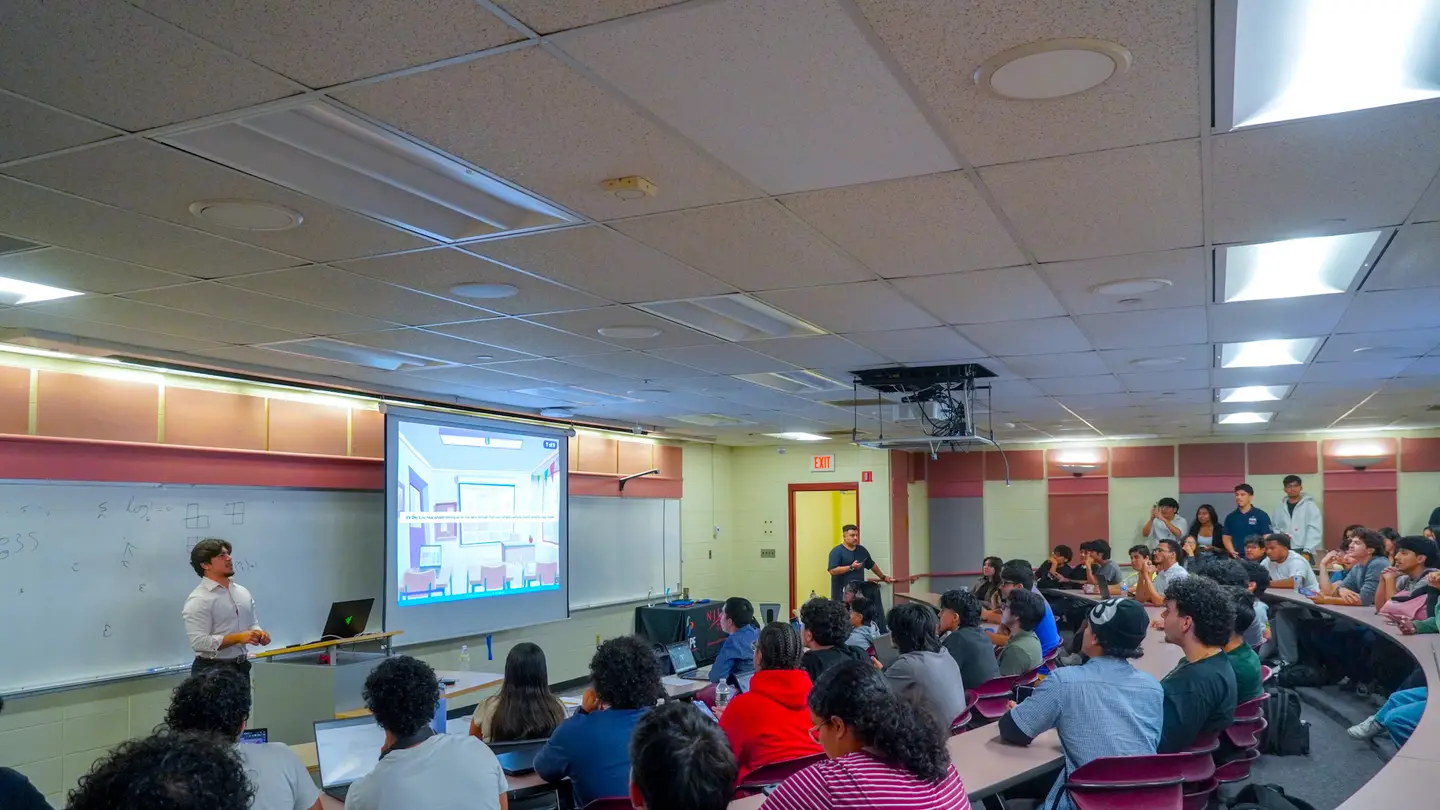
Timeline
- Summer roles are posted in waves from August through October — earlier for some teams.
- Postings close when the role is filled, not on a fixed date. Apply within a week or two of a posting going up.
- Roughly 60% of summer offers are extended by the end of November.
- Expect about 6–8 weeks from application to decision.
The interview
- 1Recruiter screenA short call to confirm your background, timing, and interests.
- 2Online assessmentA coding assessment (often HackerRank) for many software roles.
- 33–5 technical interviewsLive coding plus deep-dives in C++, operating systems, or your area.
- 4Team matchNVIDIA hires team by team — a specific team decides, then the offer follows.
Pay
Recent public postings list roughly $20–$71/hr for software intern roles, plus a monthly housing stipend (about $1,800–$2,800) and relocation support. Figures vary by team, level, and location — confirm on the live listing.
Where
- Santa Clara, CA (headquarters)
- Austin, TX
- Redmond / Seattle, WA
- Durham, NC
- Washington, DC
How to apply
- Apply at jobs.nvidia.com/careers — filter by "Intern (fixed term)" or "New College Graduate".
- Put your anticipated graduation month and year on your resume.
- Apply to one specific team whose posting matches your coursework and projects — a generic application is easy to overlook.
- Because roles close when filled, apply as soon as a matching posting appears.
From NVIDIA recruiters
Resume tips
What NVIDIA’s own campus manager, technical sourcer, and hiring manager say they look for, from first scan to final decision.
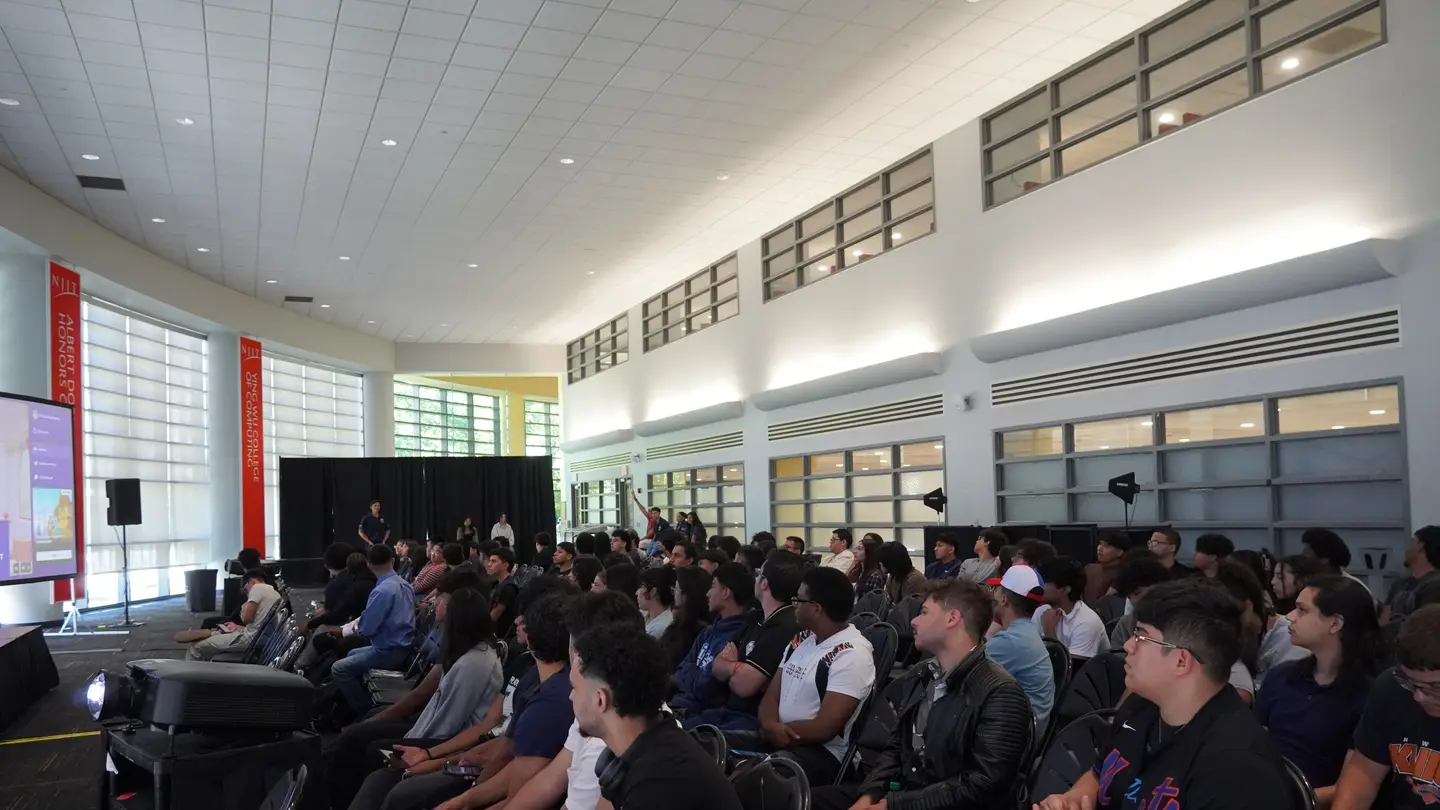
First Impression
You have 6–8 seconds
Recruiters scan before they read. Make your contact info, graduation date, and degree immediately visible — the rest only gets read if the first pass passes.
Format
One page. Clean. No colors.
For undergrads, keep it to a single page with a clean format. Skip colors, decorative fonts, and graphics — they can confuse applicant tracking systems.
Targeting
One resume, one team
NVIDIA has hundreds of hiring teams. Map your resume to the specific role you are applying to — a generic resume is easy to overlook.
Skills
Only list what you can defend
Every item in your skills section is fair game in an interview. Curate by category and keep it honest — don’t pad it with tools you’ve barely touched.
Online Presence
Your LinkedIn gets read too
Hiring managers follow every link — LinkedIn, GitHub, portfolio. Make sure what is there reflects what is on the page.
Projects
Show work you’d love to explain
Hiring managers look for real projects with real decisions behind them. Highlight anything you can speak to confidently in an interview.
From "Rockin’ the Resume 2026", NVIDIA University Recruiting — Brian Cuadra (Campus Manager), James Mitchell (Technical Sourcer), and Oliver Atoa (Hiring Manager).
Every fall
Fall recruiting calendar
NVIDIA runs the same series of recruiting events every fall — most through its Hispanic-Latino Network, several aimed squarely at SHPE. The event types below recur each year; the dates shown are the most recent known ones.
ACÉRCATE — Info Session + Community Panel
An inside look at NVIDIA’s intern and new-grad roles — how the process works, which teams are hiring, what they look for — plus a panel of NVIDIA’s Hispanic-Latino Network, including former interns.
- When each year
- Early September, each fall recruiting cycle
- Known Fall 2026 date
- Thu Sep 3, 2026 · 4–5 pm PST
IMAGÍNATE — Tech Talk
Engineers from NVIDIA’s Hispanic-Latino Network break down the technical projects they lead and the path that got them there.
- When each year
- Mid September, each fall recruiting cycle
- Known Fall 2026 date
- Tue Sep 15, 2026 · 4–5 pm PST
Power Up Your Potential: Discover NVIDIA Ignite
For the graduating classes two to three years out (freshmen and sophomores): what Ignite is, firsthand accounts from Ignite alumni, and whether it is right for you.
- When each year
- Late September / early October, before Ignite applications
- Known Fall 2026 date
- Thu Oct 1, 2026 · 3–4 pm PST
LÁNZATE — NVIDIA at SHPE National Convention: Know Before You Go
How to approach the NVIDIA team on the expo floor, what the booth is showcasing, and the questions that start real conversations. (SHPE National Convention 2026: Indianapolis, Oct 28–31.)
- When each year
- About a week before the SHPE National Convention
- Known Fall 2026 date
- Wed Oct 21, 2026 · 4–5 pm PST
Dates last checked September 2026. Confirm live dates and register at nvidia.com/university.
Build the skills first
Learning resources
Build the skills the hiring areas ask for — most of this is free and self-paced.

Something out of date? Let the E-Board know.